Anne Hathaway Said InshaAllah—And It Was Perfect

Why her casual use of an important Islamic phrase matters
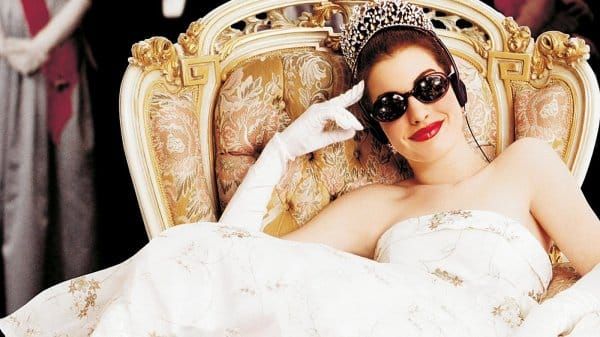
Anne Hathaway is known for many things. The iconic 2006 film The Devil Wears Prada, her stellar role as Catwoman in the 2008 Dark Knight Rises. And her Academy Award win in the 2012 Les Misérables.
But now, Hathaway is being recognized for something completely new—a seemingly small act that, in my view, deserves a moment of deep appreciation.
In a casual interview, the Oscar-winning actress was reflecting on what she hopes for in life. And in the most natural, unaffected way possible, she said this:
“I just really wanna hopefully live or enjoy life. I wanna have a long healthy life — inshaAllah. I hope so.”
No explanation. No footnote. No self-conscious pause to check whether she was allowed to say it. Just a word, used correctly, in its proper context, the way it has been used by hundreds of millions of people for centuries.
And it was perfect.
What Does InshaAllah Mean?
InshaAllah is an Arabic phrase that translates simply as “God willing.” It is an expression of hope paired with humility—an acknowledgment that our plans, our wishes, and our lives ultimately rest in the hands of something greater than ourselves. When a Muslim says inshaAllah, they are not being evasive or non-committal. They are being honest. They are saying: I hope for this. I intend this. And I trust God with the outcome.
It is, at its heart, one of the most human things a person can say. Every faith tradition has a version of it. Christians say “Lord willing.” Jews say im yirtzeh Hashem. And it is worth noting that inshaAllah is not exclusively a Muslim expression—Arabic-speaking Christians and Arabic-speaking Jews have used it for just as long, woven into the daily speech of millions across the Middle East and beyond.
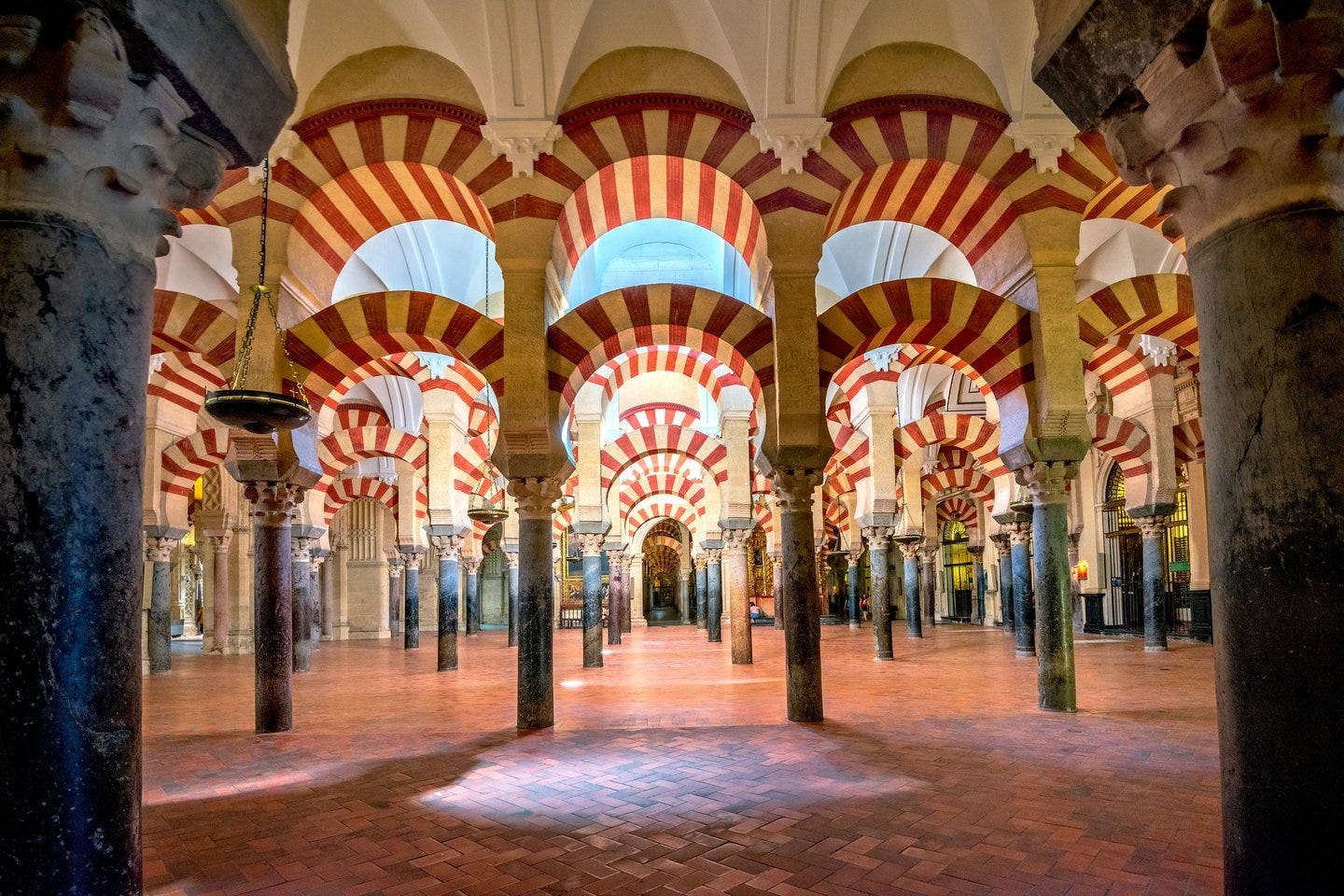
In fact, there is even a linguistic echo of inshaAllah in the Spanish language. Spain was home to a Muslim civilization for roughly seven centuries, and that long coexistence left fingerprints on the Spanish language that remain to this day. The Spanish word ojalá—meaning “hopefully” or “I wish”—is derived directly from inshaAllah. Every time a Spanish speaker says ojalá, they are, without knowing it, reaching back across centuries to an Arabic prayer.
Language carries history. And history, it turns out, is far more intertwined than the fearmongers want you to believe.
Why Anne Hathaway’s Moment Matters
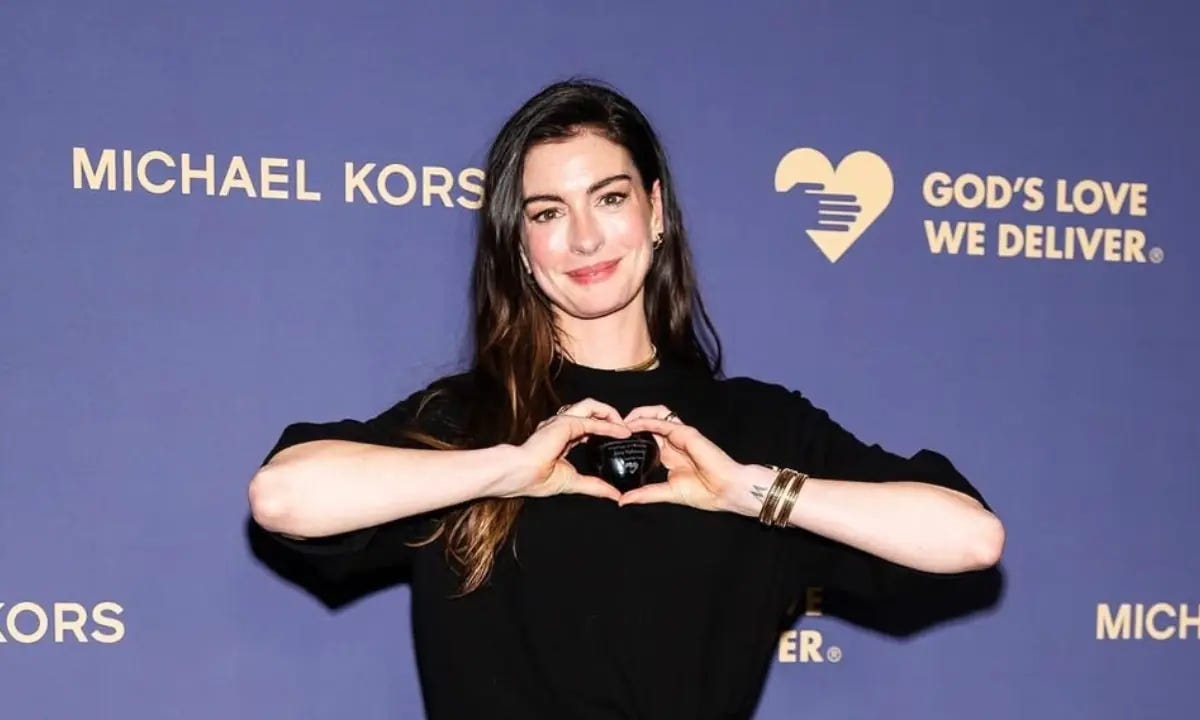
What made Anne Hathaway’s use of inshaAllah so notable was precisely how unremarkable she made it feel. She did not preface it with an explanation. She did not deploy it as a performance of multicultural awareness. She used it the way you use a word you have genuinely absorbed—naturally, in context, in a moment of sincere reflection about her own life and her hopes for it.
In my view, that is exactly how bridge-building works. Not through grand gestures or formal declarations, but through the quiet, ordinary act of using someone else’s words to express your own truth. When a non-Muslim reaches for inshaAllah in a moment of genuine hope and humility, they are not appropriating—they are connecting. They are recognizing that the desire to live a long, healthy, meaningful life is not exclusively a Muslim desire or a Christian desire or a Jewish desire, or even a believer’s desire. It is a human desire. And inshaAllah is simply one of the most beautiful ways humanity has ever found to express it.
For Muslim Americans who have spent years watching our faith caricatured, weaponized, and used as a political football, there is something genuinely moving about seeing a beloved public figure reach instinctively for one of their most common expressions and wield it with such grace. It is a small thing. And small things matter.
To Anyone Wondering: Yes, You Can Say It
If you are not Muslim and you are reading this wondering whether inshaAllah is a word you are permitted to use—the answer is an enthusiastic yes. It belongs to no single religion and no single culture. It belongs to anyone who has ever hoped for something and understood, in their quieter moments, that hope alone is not enough—that we do the best we can, and we trust the rest to God.
Use it when you mean it. Use it the way Anne Hathaway used it—honestly, humbly, in a moment when you genuinely want something good and know that wanting is only the beginning.
InshaAllah Anne Hathaway does indeed live a long, happy, healthy, and productive life. And inshaAllah, moments like hers continue to remind us that the words we share across cultures are not walls—they are doors.
All we have to do is walk through them. May we do so with curiosity, courage, and conviction… inshaAllah.
Let's Address This is written by human rights lawyer, author, and podcaster Qasim Rashid. It is free to read and free to share—no paywall, because education should be accessible to everyone. If you’d like to support this work and help us reach more people with truth over fear, consider subscribing.